Green Transformation Organization
Rural Health and Community Development in the Niger Delta
- Home
- Rural Health and Community Development in the Niger Delta
Abstract
The Niger Delta, rich in oil and gas, remains paradoxically underdeveloped, especially in rural areas where health systems and community infrastructure are critically deficient. This article explores the intersection between rural health and community development in the Niger Delta, highlighting the environmental, economic, and socio-political factors that hinder progress. It concludes with policy recommendations and community-led strategies for sustainable development.
Introduction
The Niger Delta region of Nigeria, home to over 30 million people across nine states, is one of the most environmentally degraded areas in the world due to over five decades of crude oil exploration. While the region contributes over 80% of Nigeria’s export revenue, rural communities in the Delta suffer from extreme poverty, poor health outcomes, and a lack of basic infrastructure (Arugu & Sunday, 2020). Addressing rural health in the Niger Delta cannot be divorced from the broader struggle for sustainable community development.
The State of Rural Health in the Niger Delta
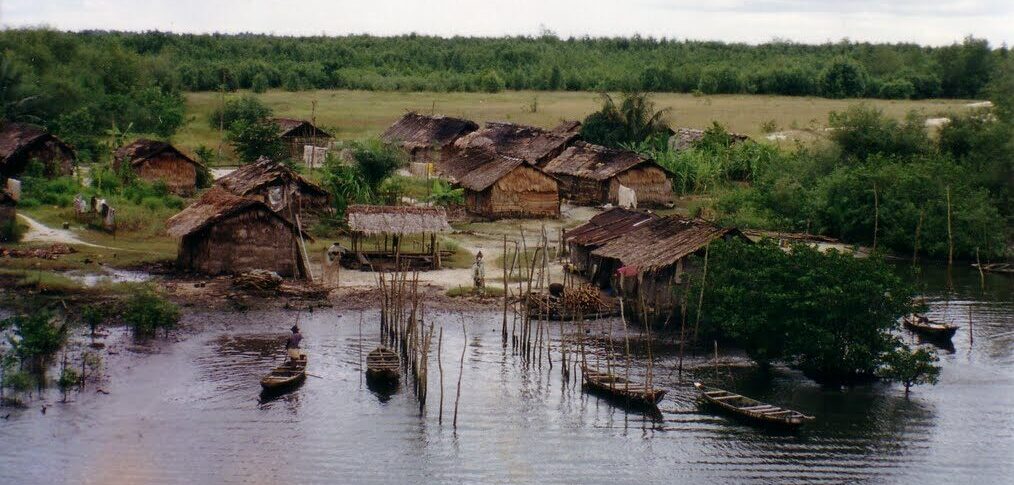
Rural health in the Niger Delta is characterized by inadequate access to healthcare facilities, poor sanitation, high prevalence of communicable and non-communicable diseases, and under-resourced health personnel. A study in rural Bayelsa State revealed that over 71% of respondents had limited health literacy, affecting their ability to access and use healthcare effectively (Zibima et al., 2021).
Waterborne diseases, respiratory illnesses from gas flaring, and malnutrition are rampant. Hypertension and other cardiovascular diseases are also on the rise due to stress, poor nutrition, and lack of awareness (Alikor et al., 2015). The lack of functioning primary health centers, especially in riverine areas, exacerbates mortality and morbidity rates.
Environmental Degradation and Its Impact on Health
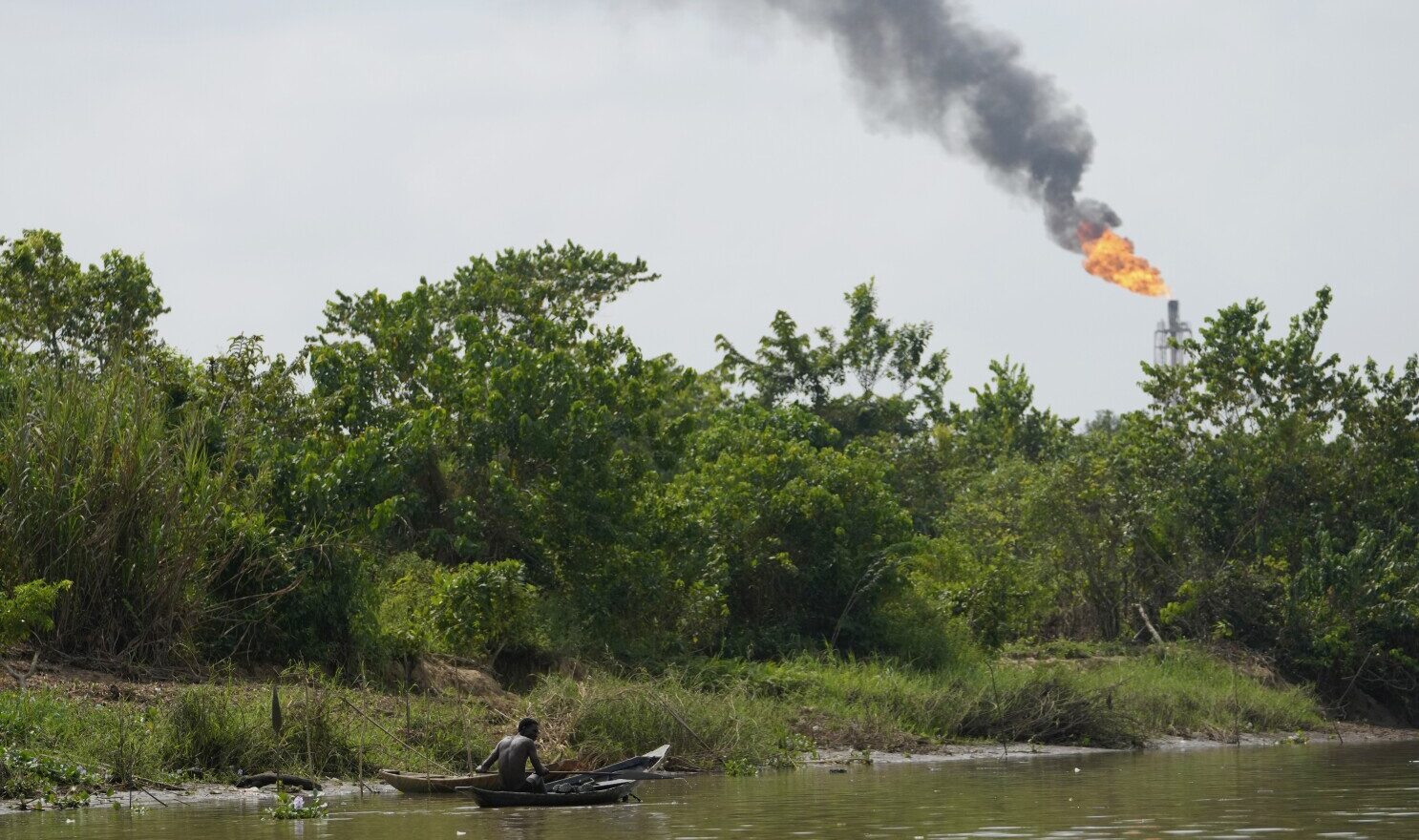
The activities of multinational oil companies have caused massive environmental damage—oil spills, gas flaring, soil infertility, and contaminated water sources. These hazards have direct consequences on human health. Contaminated water leads to high rates of cholera, typhoid, and diarrhea, especially among children (Ekpu & Unufe, 2022).
Furthermore, the destruction of farmlands and fisheries has undermined local food security and nutrition, contributing to high levels of poverty and malnutrition in the region. In some communities, life expectancy is below the national average due to prolonged exposure to pollutants (Solomon & Madubuike, 2011).
Community Development Challenges
Beyond health, the Niger Delta suffers from underdevelopment in infrastructure, education, and economic opportunity. Many rural areas lack basic amenities such as roads, electricity, and clean water. Youth unemployment and underemployment have fueled social unrest and militancy (Onumbu, 2024).
Community development efforts are often fragmented or hijacked by political interests. Projects initiated by oil companies or government bodies frequently fail due to poor planning, lack of community involvement, or corruption.
The Role of Community Participation
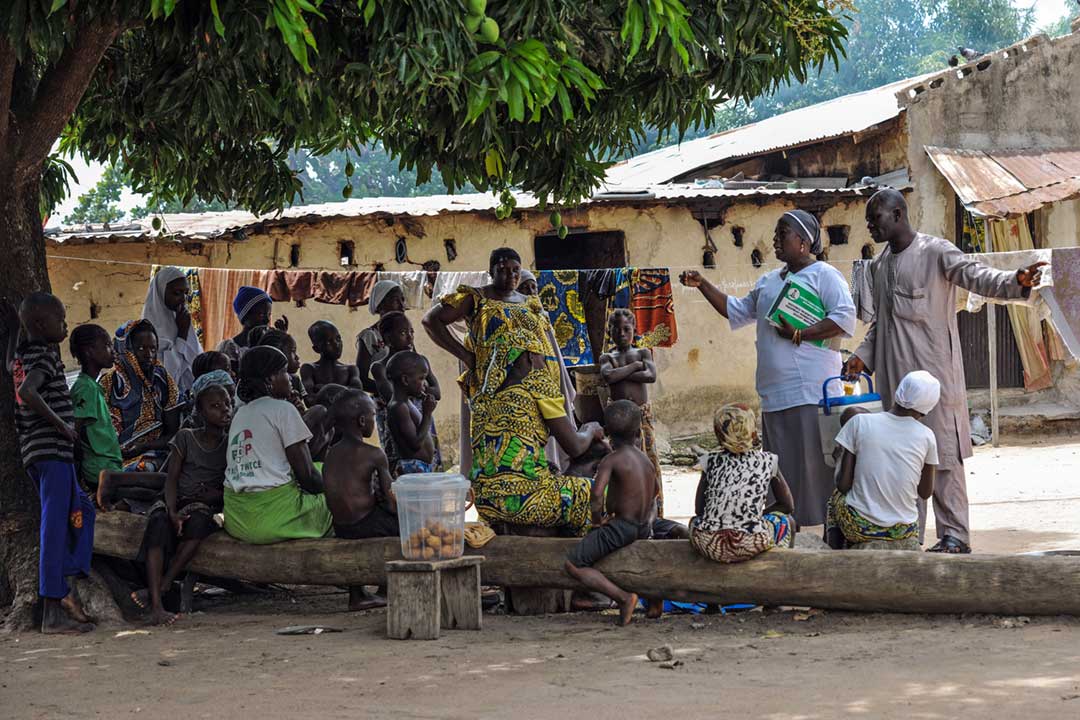
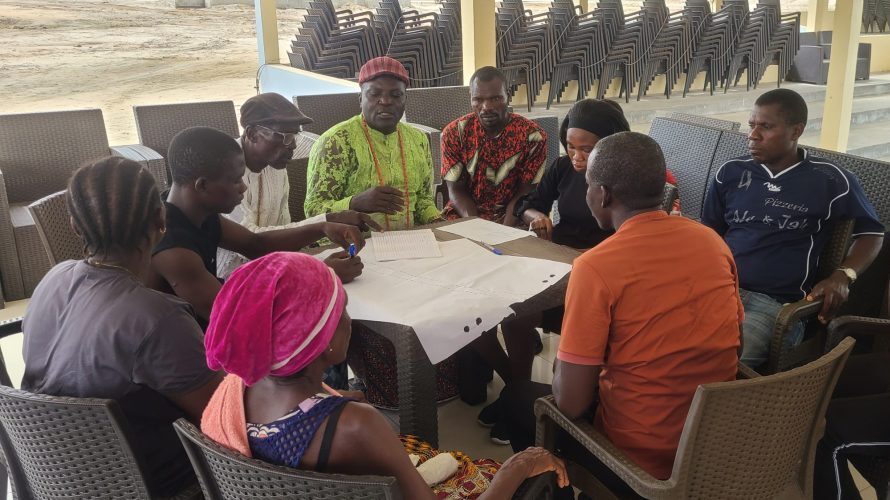
One promising avenue for sustainable development is increased community participation in planning and executing development projects. Studies show that when rural people are empowered to identify their priorities, projects are more likely to succeed (Veta, 2021). Social workers and local leaders must play a more active role in fostering inclusive development.
Health interventions, for example, should involve training of community health volunteers, health education campaigns in local dialects, and mobile health clinics to reach remote areas.
Recommendations
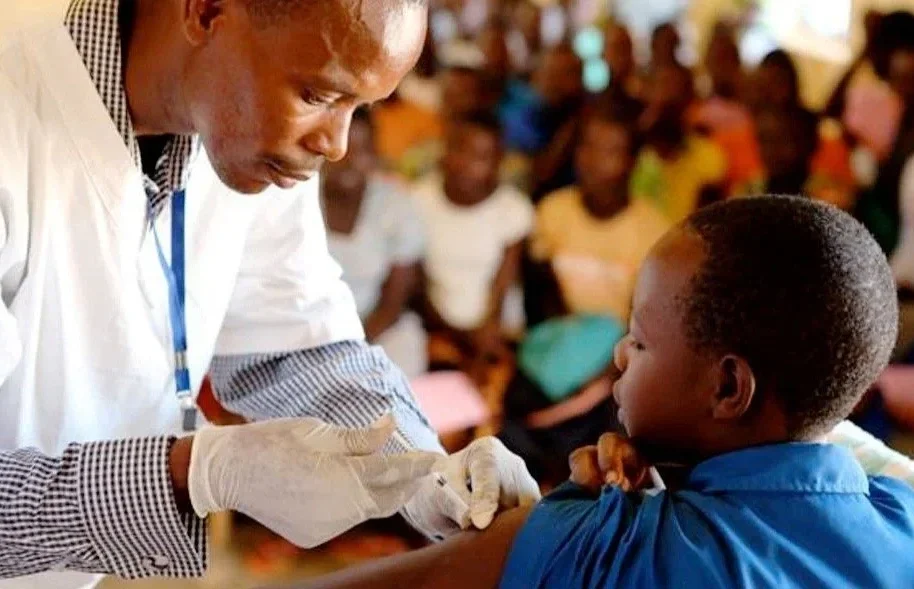
- Strengthen Primary Healthcare Systems: Government and NGOs must invest in building and maintaining rural health centers, training healthcare workers, and supplying essential drugs.
- Environmental Remediation: Oil companies must be held accountable for cleanup and compensation. Agencies like NOSDRA must be empowered and de-politicized.
- Improve Water and Sanitation: Communities need sustainable access to clean water to reduce the disease burden.
- Support Livelihoods: Empower local agriculture and fishing with modern tools and credit facilities to reduce poverty.
- Promote Community Ownership: Involve rural residents at every stage of development planning—from design to implementation and monitoring.
Conclusion
Rural health in the Niger Delta cannot improve without addressing the broader issues of environmental justice, economic inequality, and governance failure. A holistic and community-driven approach that integrates healthcare, environmental restoration, and social infrastructure is essential for sustainable development in the region.