Green Transformation Organization

Human Rights and Governance in Contemporary Society
- Home
- Human Rights and Governance in Contemporary Society
Abstract
The intersection of human rights and governance has become a central concern in modern democratic societies, particularly in regions where institutions are weak, corruption is endemic, and state power is often misused. This article explores the critical role of good governance in safeguarding human rights, highlights the challenges faced in ensuring accountability and transparency, and outlines key strategies for promoting a rights-based approach to governance. Drawing from global and local examples, it makes a case for institutional reforms, citizen empowerment, and civic education as core pillars of democratic development.
Introduction
Governance and human rights are inextricably linked. Where governance is inclusive, accountable, and transparent, human rights are more likely to be respected and upheld. Conversely, poor governance—characterized by corruption, impunity, authoritarianism, and weak rule of law—often results in systemic human rights abuses. Across the globe, and particularly in developing regions like sub-Saharan Africa, Asia, and parts of Latin America, the failure of governance structures has led to violations of civil, political, economic, and social rights.

Understanding Human Rights and Governance
Human Rights
These are rights inherent to all human beings, regardless of nationality, ethnicity, religion, or gender. They include civil and political rights (e.g., freedom of speech, right to a fair trial) as well as socio-economic rights (e.g., right to education, healthcare, and housing). These rights are enshrined in key documents like the Universal Declaration of Human Rights (1948) and various international treaties.
Governance
Governance refers to the processes and institutions by which authority is exercised. This includes:
- The selection and accountability of leaders
- The functioning of institutions
- The capacity to formulate and implement sound policies
Challenges at the Intersection of Human Rights and Governance
Authoritarianism and Repression
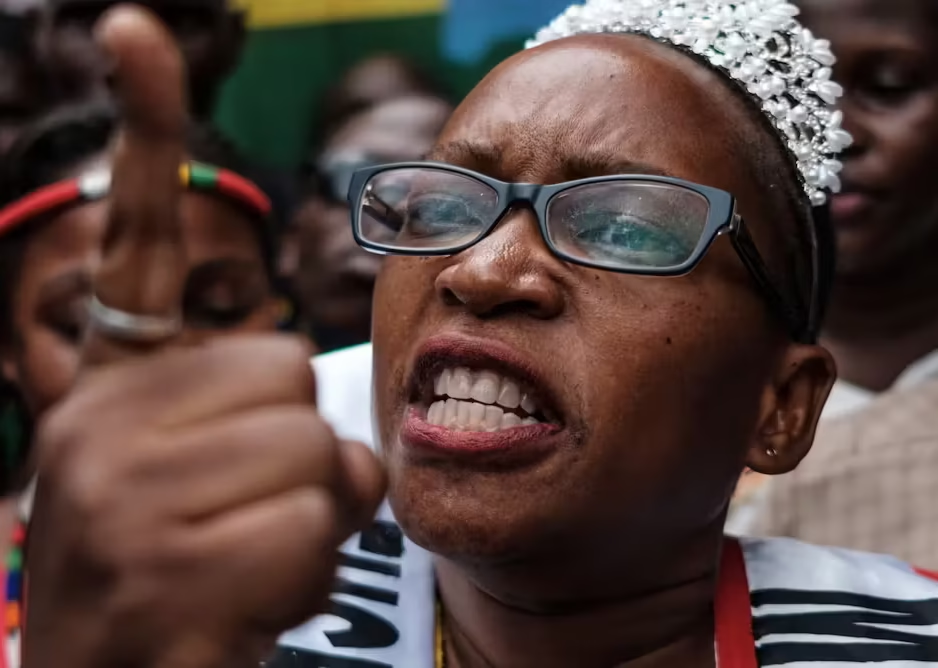
In many countries, dissent is criminalized, and human rights activists are harassed, detained, or even killed. Media freedoms are curtailed, and citizens live under surveillance and fear.
Example: In countries like Myanmar and Iran, peaceful protests have been met with military crackdowns and mass arrests.
Corruption and Impunity
When state resources are mismanaged or embezzled, the right to basic services—like clean water, healthcare, and education—is denied. Corruption erodes trust and undermines human dignity.
Weak Rule of Law
Injustice flourishes when judicial systems are compromised or inaccessible. Victims of human rights abuses often lack legal remedies, and perpetrators go unpunished.
Example: In Nigeria, the #EndSARS protests in 2020 highlighted systemic police brutality and the failure of the justice system to protect citizens.
Discrimination and Inequality
Marginalized groups—women, indigenous peoples, LGBTQ+ communities, and persons with disabilities—often suffer double jeopardy from both societal bias and state neglect.
Governance as a Tool for Human Rights Protection
Good governance provides the framework within which human rights can flourish. Here’s how:
Governance Principle | Human Rights Outcome |
Accountability | Prevents abuse of power |
Participation | Empowers citizens to demand rights |
Rule of Law | Protects individuals from arbitrary action |
Transparency | Reduces corruption and ensures equity |
Responsiveness | Ensures timely delivery of public services |
As the African Charter on Democracy, Elections and Governance (2007) emphasizes, democratic governance is the “foundation for peace, security and sustainable development.”
South Africa’s Human Rights-Based Constitution
Post-apartheid South Africa provides an example of a country that embedded human rights principles into its governance framework. The 1996 Constitution includes a Bill of Rights that guarantees socio-economic rights, enforced through public interest litigation.
- Landmark rulings, such as Government of the Republic of South Africa v. Grootboom (2000), established the state’s obligation to provide access to housing.
- Civil society organizations have played a key role in holding the government accountable through the courts.
While challenges remain, this model shows how institutional design can support the protection and realization of rights.
Recommendations for Strengthening Rights-Based Governance
Strengthen Institutions of Accountability
- Empower anti-corruption agencies and ombudsman offices
- Protect the independence of the judiciary and electoral bodies
Promote Civic Education and Participation
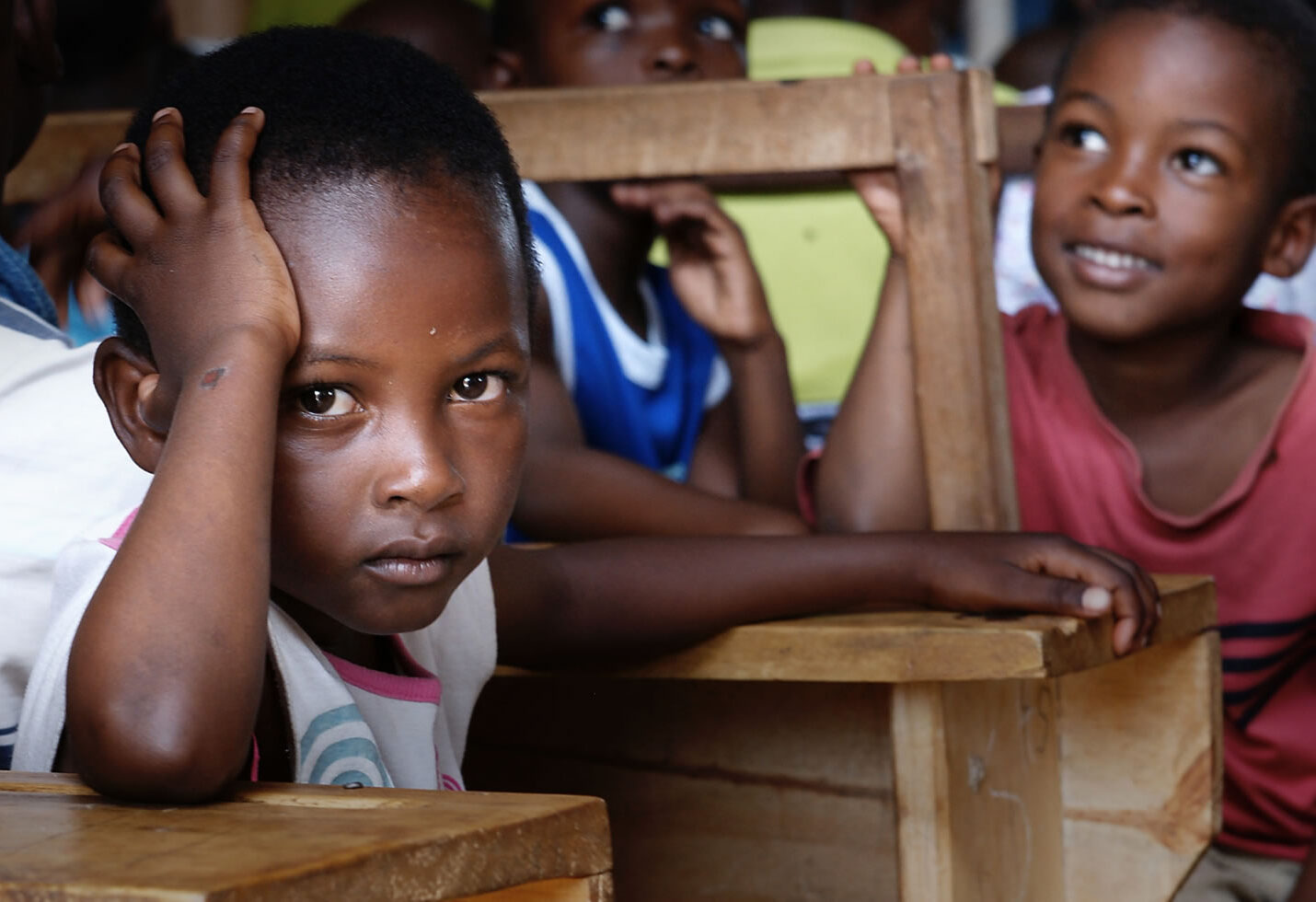
- Educate citizens on their rights and how to claim them
- Support youth-led movements and local governance initiatives
Protect Civil Society and Press Freedom
- Repeal laws that criminalize free expression and assembly
- Ensure safety of journalists and human rights defenders
Mainstream Human Rights in Policy Planning
- Conduct human rights impact assessments of major laws and projects
- Align national policies with international human rights obligations
Conclusion
Human rights and governance are mutually reinforcing. A rights-based approach to governance ensures not only that power is exercised within legal and ethical boundaries, but also that citizens are treated with dignity and fairness. In an era marked by rising authoritarianism, misinformation, and inequality, the imperative to promote democratic governance rooted in human rights is stronger than ever. Achieving this requires collective action from governments, civil society, the media, and ordinary citizens.