Green Transformation Organization

Environment and Conservation in Nigeria
- Home
- Environment and Conservation in Nigeria
Abstract
Environmental degradation is a pressing challenge in Nigeria, driven by deforestation, oil pollution, urbanization, poor waste management, and weak regulatory enforcement. Despite constitutional provisions and international commitments to environmental protection, the gap between environmental policy and conservation action remains wide. This article examines the causes and consequences of environmental neglect in Nigeria and proposes practical, community-driven strategies to promote conservation and sustainability.
Introduction
Nigeria is blessed with rich ecosystems, from the rainforests of Cross River to the wetlands of the Niger Delta, the savannahs of the North, and coastal mangroves. However, these natural endowments are under severe threat. The pressure from population growth, extractive industries, illegal logging, and poor governance has pushed many ecosystems to the brink of collapse.
The concept of environmental conservation—the sustainable use and management of natural resources to prevent degradation and preserve biodiversity—is not new. Yet, in practice, conservation remains a low priority in national development plans, despite the far-reaching implications for public health, food security, climate resilience, and future generations.

Key Environmental Challenges in Nigeria
Deforestation and Habitat Loss
Nigeria has one of the highest rates of deforestation in the world, losing over 400,000 hectares of forest annually (FAO, 2020). Major drivers include:
- Logging (both legal and illegal)
- Charcoal production
- Agricultural expansion
- Urbanization
The consequence is the loss of critical biodiversity, desertification in the north, and increased vulnerability to climate change.
Oil Pollution in the Niger Delta
For over five decades, crude oil exploration in the Niger Delta has resulted in devastating environmental consequences:
- Frequent oil spills contaminate rivers, destroy farmlands, and decimate fish populations
- Gas flaring releases harmful pollutants, affecting air quality and human health
Despite numerous policies and agencies (e.g., NOSDRA), enforcement remains weak, and remediation efforts are slow and often politicized.
A UNEP report in 2011 called for a $1 billion clean-up of Ogoniland, but progress has been painfully slow as of 2025.
Waste Management and Urban Pollution
Rapid urbanization in cities like Lagos, Kano, Port Harcourt, and Onitsha has outpaced infrastructure development. The result is:
- Poor waste collection systems
- Open dumping and burning of plastics
- Blocked drainage causing floods
According to the World Bank, Nigeria generates over 32 million tonnes of solid waste per year, but only a small fraction is properly managed or recycled.
Climate Change and Environmental Vulnerability
Nigeria is increasingly vulnerable to the impacts of climate change:
- Desert encroachment in the North
- Flooding in coastal and riverine areas
- Rising temperatures and erratic rainfall affecting agriculture
Yet national climate adaptation efforts remain underfunded and poorly coordinated.
Conservation Efforts: Where Are We Now?
Nigeria has taken some steps toward environmental protection, including:
- National Environmental Standards and Regulations Enforcement Agency (NESREA)
- National Parks Service and protected forest reserves
- Participation in international conventions (e.g., Paris Agreement, Convention on Biological Diversity)
- Launch of afforestation and tree planting programs
However, many of these initiatives lack:
- Adequate funding
- Enforcement power
- Public awareness and community ownership
The Role of Communities in Conservation
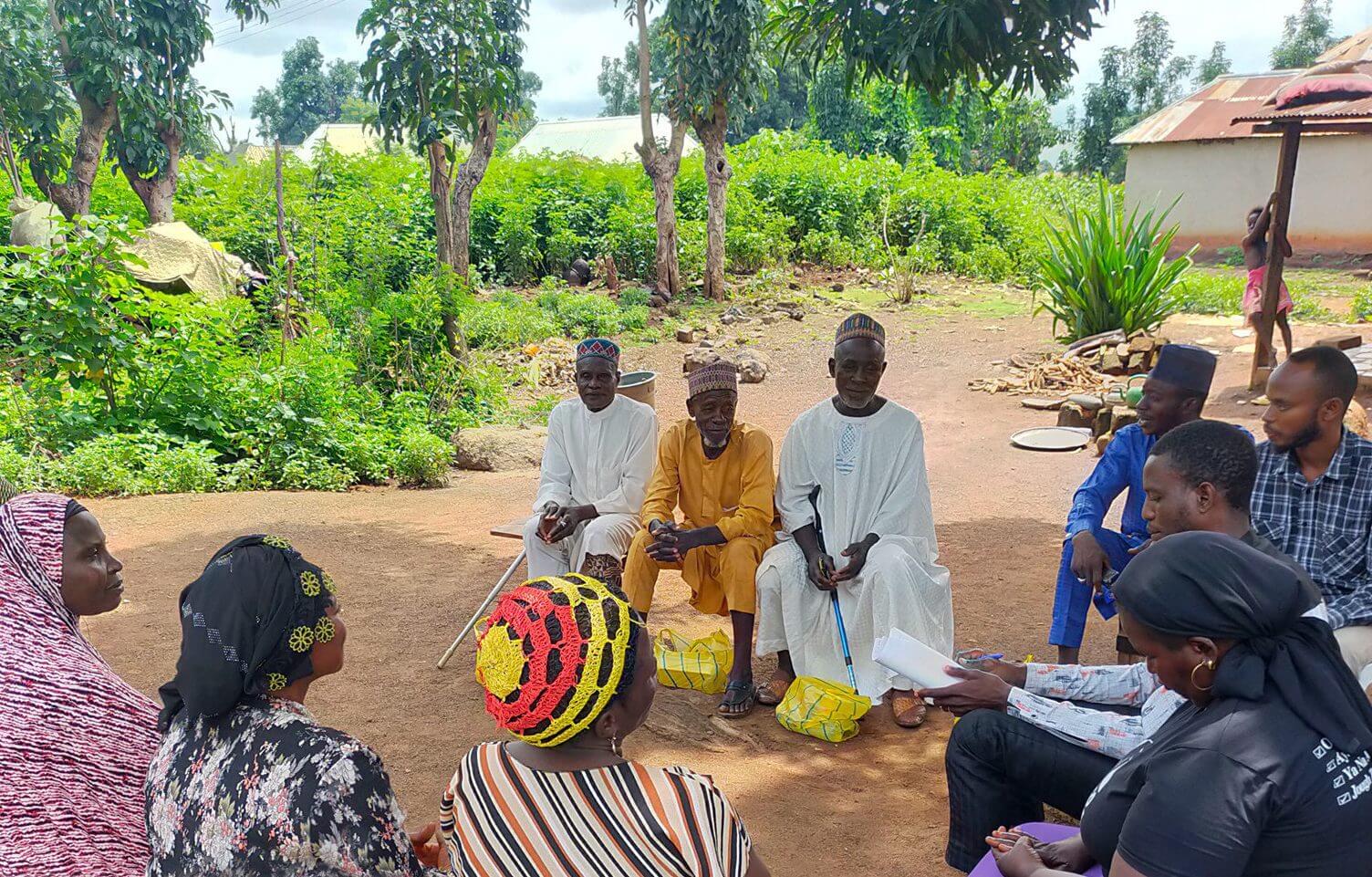
Sustainable environmental management is impossible without the involvement of local communities. Community-based conservation has proven effective where traditional practices, local knowledge, and participation are respected.
Example: Cross River State Forest Protection
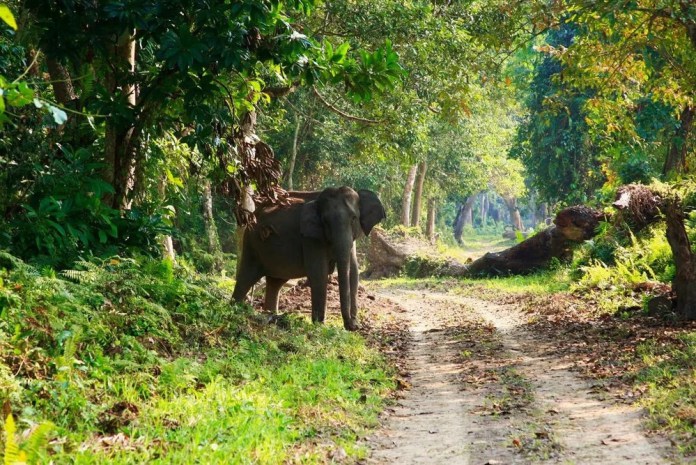
- Home to Nigeria’s last remaining rainforest
- NGOs and local communities collaborated to create buffer zones, reduce logging, and promote eco-tourism
- Challenges remain, but deforestation has slowed compared to other states
Recommendations: Building a Culture of Conservation
To address Nigeria’s environmental crisis, both systemic reforms and grassroots actions are needed:
Strengthen Environmental Governance
- Fully implement and enforce existing environmental laws
- Empower NESREA, NOSDRA, and state-level environmental bodies
- Penalize corporate polluters, especially in oil and mining sectors
Invest in Green Education and Awareness
- Integrate environmental education into school curricula
- Promote media campaigns on conservation and climate change
- Support eco-clubs in schools and communities
Support Recycling and Circular Economy Initiatives
- Provide incentives for recycling startups
- Ban single-use plastics nationwide
- Build infrastructure for waste sorting and processing
Mainstream Climate Adaptation
- Allocate budget to implement the National Climate Change Policy
- Train local governments to respond to flooding, drought, and land degradation
- Promote climate-resilient agriculture
Conclusion
The state of Nigeria’s environment is both an emergency and an opportunity. An emergency because unchecked degradation threatens our water, food, health, and security; an opportunity because investing in conservation can create jobs, strengthen resilience, and secure a better future.
Conservation is not only the responsibility of government or NGOs—it is the collective duty of every Nigerian. From the forest belt of the South to the deserts of the North, our survival depends on how we treat the land that sustains us.